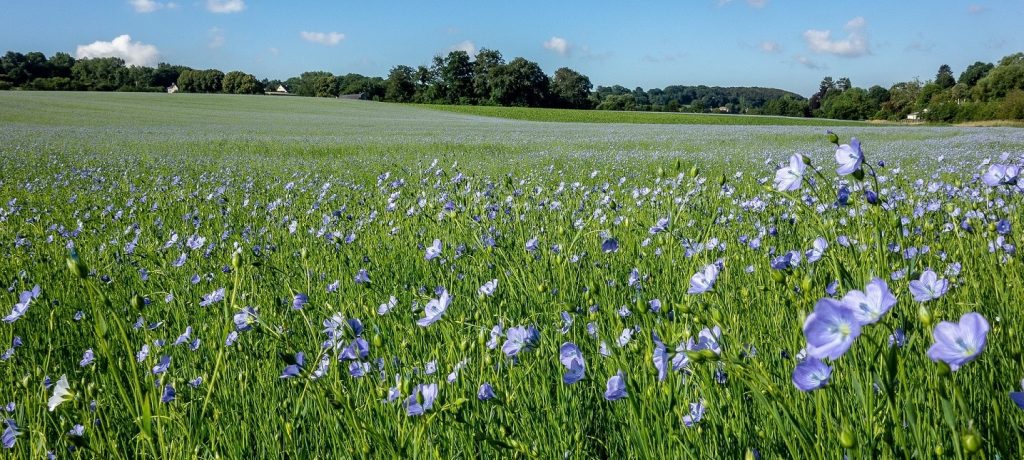
Sustainability plan for the SCALE-UP multi-actor platform in the French Atlantic Arc
Sustainability plan for the SCALE-UP multi-actor platform in the French Atlantic Arc The SCALE-UP project, launched in September 2022, will end on 31 August 2025. Its last platform meeting in France took place on 20 May 2025, gathering stakeholders from … Read More
Policy briefs for bioeconomy development in the EU
Policy briefs for bioeconomy development in the EU The European Commission has launched a public consultation entitled ‘Towards a circular, regenerative and competitive bioeconomy’ to update the European Union’s bioeconomy strategy, the new version of which is due to … Read More
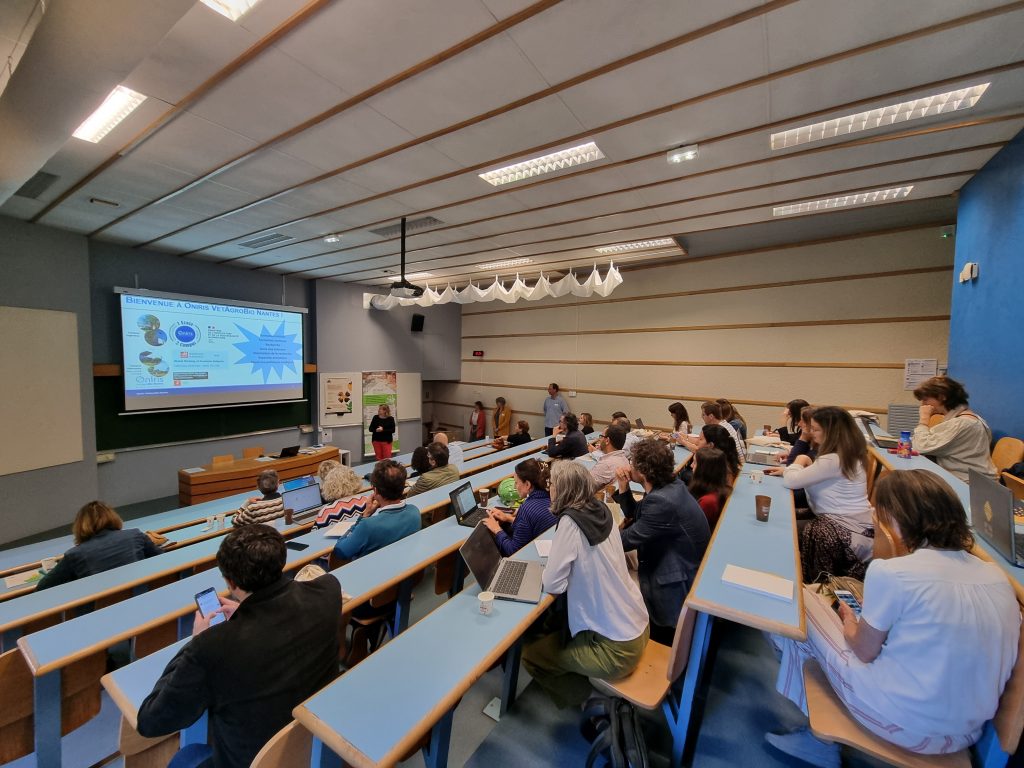
Stakeholders in the French Atlantic Arc mobilised to make the most of plant by-products and fibre plants
Stakeholders in the French Atlantic Arc mobilised to make the most of plant by-products and fibre plants On 20 May 2025, the work of the European SCALE-UP and RuralBioUp projects was presented in Nantes on the Géraudière campus, as part … Read More
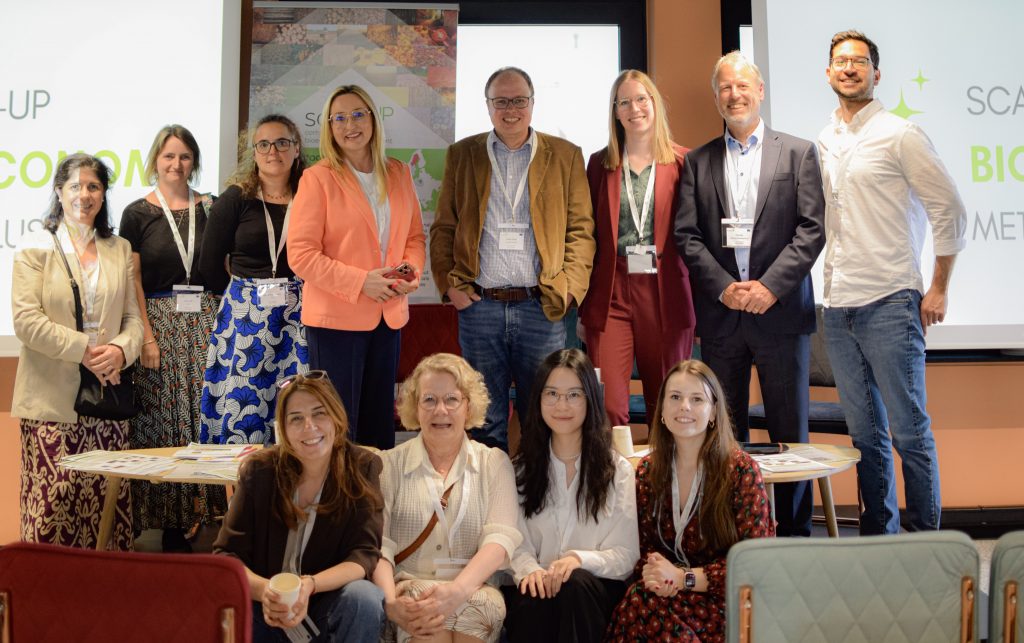
SCALE-UP Showcases Three Years of Rural Bioeconomy Impact at European Rural Circular Bioeconomy Conference
SCALE-UP Showcases Three Years of Rural Bioeconomy Impact at European Rural Circular Bioeconomy Conference Horizon Europe initiative showcases tools, success stories, and collaborative strategies for a sustainable bioeconomy in Brussels The SCALE-UP project took a central role in the … Read More
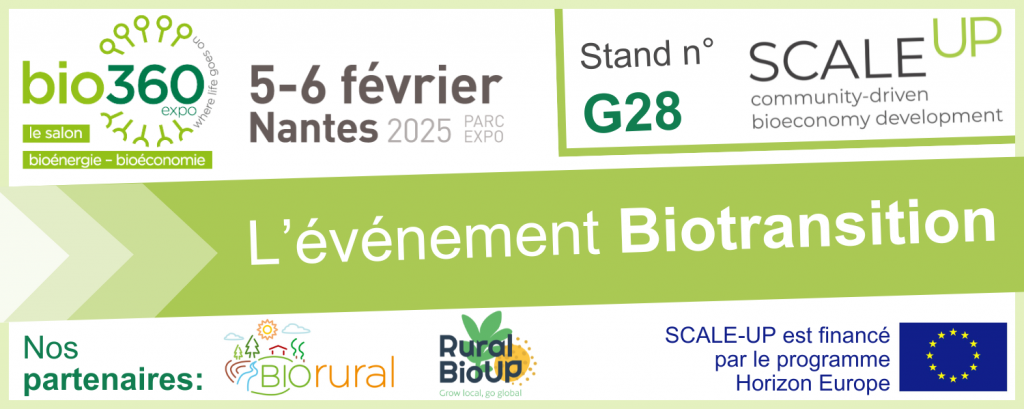
Successful Show at Bio360 in Nantes, France
SCALE-UP Project Wraps Up a Successful Show at Bio360 in Nantes, France The SCALE-UP project is proud to announce the successful conclusion of its participation at Bio360, held on 5 and 6 February 2025 at Nantes, France. The international trade … Read More
SCALE-UP project entrepreneurship event at BIO360 in France
SCALE-UP entrepreneurship event in BIO360 international bioeconomy exhibition in Nantes The SCALE-UP project will be present on 5 & 6 February 2025 at the Bio360 international exhibition dedicated to the bioeconomy, at the Parc des Expositions de la Beaujoire … Read More
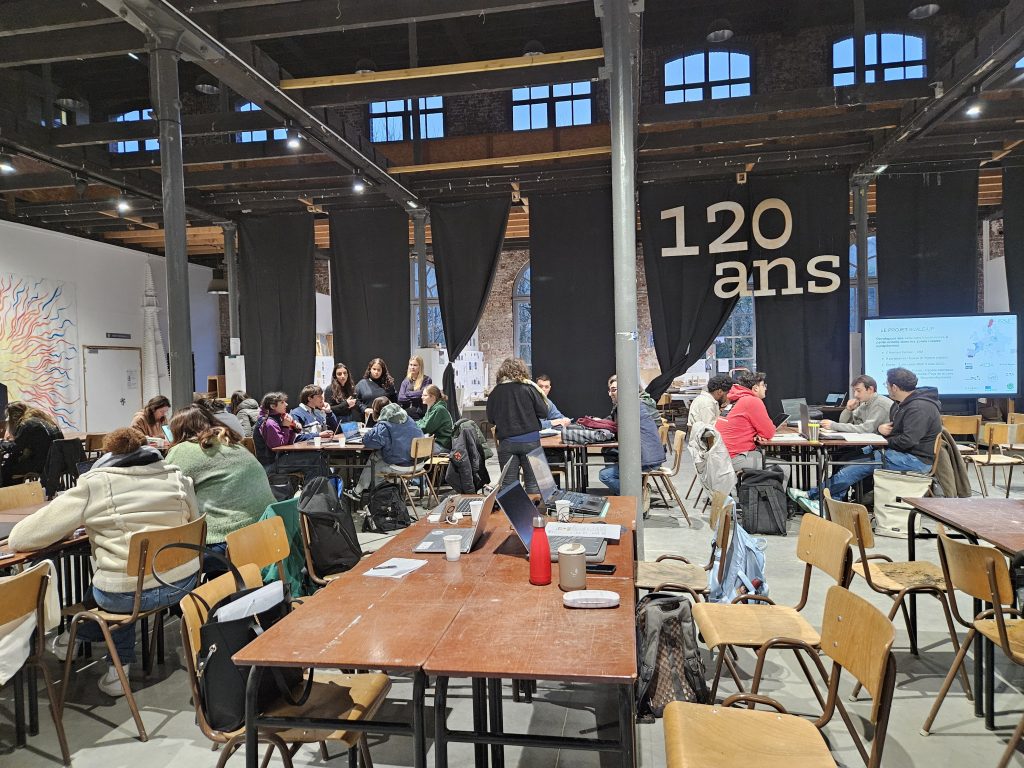
See the SCALE-UP hackathon in pictures
See the SCALE-UP hackathon in pictures Students from UniLaSalle Rouen and the Ecole nationale supérieure d’architecture de Normandie gathered on 13 December 2024 for a hackathon organised by the SCALE-UP project. The challenge: to pitch their idea for an innovative … Read More
Regional platform meeting on “Hemp & straw for construction”
Regional platform meeting on ‘Hemp & straw for construction: from production to realisation’ On 26 November 2024, the fourth regional platform meeting for bio-based construction stakeholders organised as part of the European SCALE-UP project was held in Brittany. This day, … Read More

SCALE-UP Project Successfully Concludes International Study Tour on Bioeconomy Along the Danube
SCALE-UP Project Successfully Concludes International Study Tour on Bioeconomy Along the Danube The SCALE-UP project has successfully concluded its International Study Tour focusing on the bioeconomy in Austria and Germany. The tour, which took place from April 16-18, 2024, showcased … Read More
